What costs the most in a renovation?
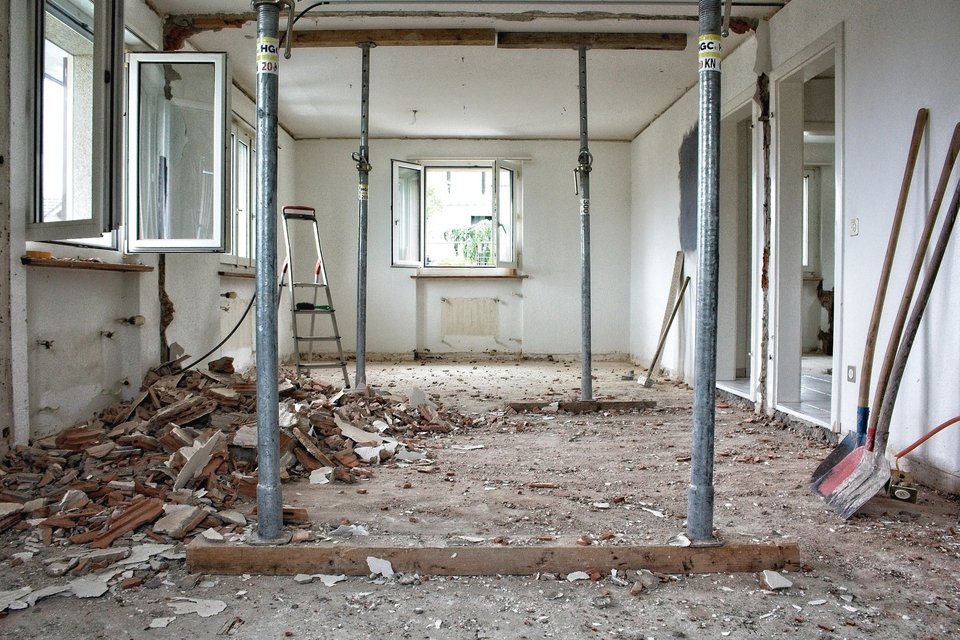
The kitchen and bathrooms usually cost the most, followed by electricity and plumbing networks, structural changes and custom joinery. But the biggest extra cost often comes from changing your mind once the works have started.
1. Kitchen and bathrooms
They combine many trades in a small space: plumbing, electricity, tiling, waterproofing, cabinets, worktops and fittings. Moving a sink or a toilet means moving pipes and drains, which adds work in the floor and walls.
2. Electricity and plumbing
In older apartments, wiring and pipes often need replacing. It's invisible once finished, but it touches every room: walls are opened, then closed and repainted.
3. Structural changes
Removing or opening a load-bearing wall needs a study by an architect or engineer, supports during the works and a beam. It's costly, and it's not something to improvise.
4. Floors over large areas
Flooring is priced per m², so it grows fast with the surface. Removing old tiles adds labour and waste.
5. Custom joinery
Made-to-measure kitchens, wardrobes, doors and furniture cost more than standard pieces. They're often worth it in small or awkward spaces.
6. Surprises
Humidity, old wiring, uneven floors: what's behind the walls only shows once they're opened. Keep 10 to 15% of the budget for it.
7. Changes during the works
Moving a wall that's already built, changing a tile that's already laid, adding a socket after the plaster: every change means undoing work and paying twice.
How to keep costs down
- Decide the layout, materials and lighting before works start.
- Keep the kitchen and bathrooms where the pipes already are, if you can.
- Spend on what you touch every day, like taps, handles and worktops, and save on the rest.
- Use 3D renders to check the result first. Changing a render costs far less than changing a wall.
Let's talk about your project.
Send your plans for a quote, or book a free 15-minute call.