How do I light a room? The 3 layers of light
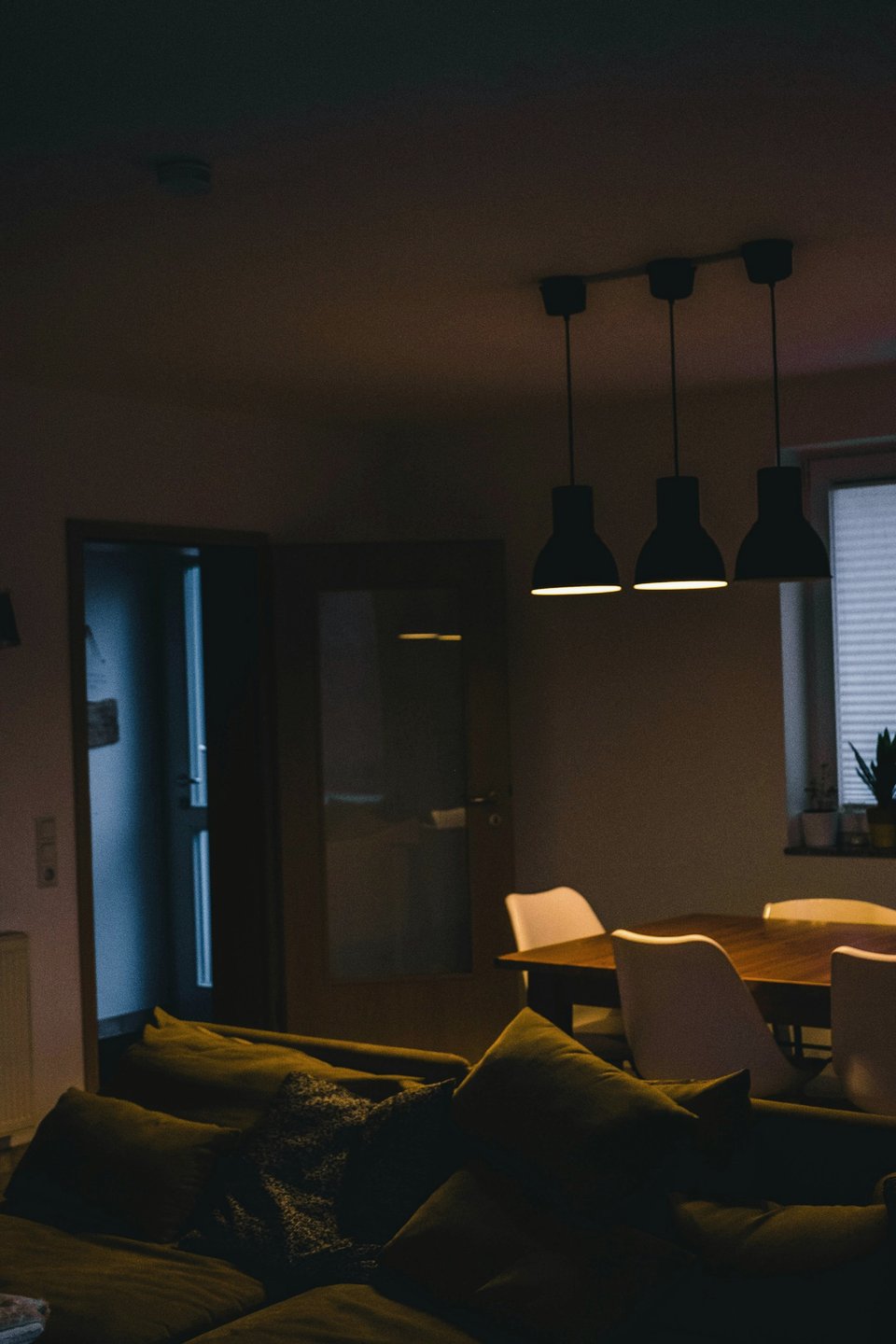
Light a room in three layers: ambient light to see the space, task light to work, and accent light to create mood and show off features. A single ceiling light can't do all three. Rooms that feel good at night usually mix them.
1. Ambient light
The general light that fills the room.
- Ceiling lights, recessed spots, cove lighting or large pendants.
- Even and soft, without dark corners or strong glare.
- On a dimmer if possible, so it can go from bright to calm.
2. Task light
Focused light where you do something.
- Kitchen: under-cabinet strips over the worktop.
- Bathroom: light at face level around the mirror, not only from above.
- Desk: a lamp on the side opposite your writing hand.
- Reading: a floor or table lamp next to the seat.
- Bedroom: bedside lamps or wall lights.
3. Accent light
Light that creates atmosphere and draws the eye.
- Spotlights on art, a textured wall or a plant.
- LED strips behind shelves, under a bed or behind a headboard.
- Decorative lamps that are as much objects as lights.
Colour of light
- 2700 – 3000 K (warm white): living rooms, bedrooms, dining.
- 3500 – 4000 K (neutral white): kitchens, bathrooms, work areas.
- Keep one temperature per room, or the light looks patchy.
- Choose bulbs with good colour rendering (CRI 90 or more) so colours and skin look natural.
Plan before the works
Light is easy to plan and hard to fix later. Before walls are closed, decide:
- Where each light goes, and what it lights.
- Which lights share a switch, and where the switches sit.
- Where sockets go for lamps, so cables don't cross the room.
Lighting planning with us
Lighting planning is one of our services. We place each light on the plan, set the switches and show the result in 3D renders before any cable is pulled.
Let's talk about your project.
Send your plans for a quote, or book a free 15-minute call.